- 1. Technical SEO: The Foundation of Visibility
- 1.1 Crawling & Indexing
- 1.2 Site Architecture & URL Structure
- 1.3 Core Web Vitals & Page Performance
- 2. Content & Semantic SEO
- 2.1 Understanding User Intent
- 2.2 Semantic Search & NLP
- 2.3 Technical Content Optimization
- 3. Link Building & Authority Signals
- 4. Analytics, Tracking & Data-Driven SEO
- 5. Advanced Technical Strategies
- 5.1 Log File Analysis
- 5.2 JavaScript SEO
- 5.3 International & Multi-Language SEO
- 6. Why SEO is a Long-Term Investment
- Conclusion
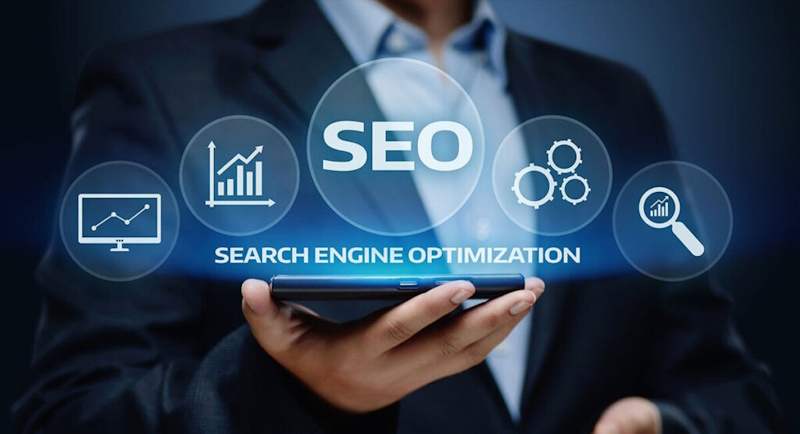
In 2025, digital marketing and SEO are no longer simply tools for visibility—they are sophisticated, data-driven systems that can make or break a business. A high-performing website is not just about aesthetics or content anymore; it is a highly engineered machine optimized for search engine algorithms, user experience, semantic relevance, and performance metrics. This guide explores the technical layers of SEO, advanced digital marketing strategies, and actionable insights for businesses aiming to dominate search rankings.
For companies looking to implement a robust technical SEO strategy, professional guidance is essential. Dreamix Web SEO Services → https://www.dreamixweb.com/seo-services offers comprehensive solutions tailored to modern search requirements.
1. Technical SEO: The Foundation of Visibility
Technical SEO ensures that search engines can crawl, index, and understand your website efficiently. Without it, even the best content can remain invisible. Key technical elements include:
1.1 Crawling & Indexing
Search engines use crawlers (bots) to scan web pages. Optimizing crawling ensures your content is discoverable and properly indexed. Techniques include:
XML Sitemaps: Clearly map every URL for efficient bot navigation.
Robots.txt Optimization: Control which pages are crawled or blocked.
Canonical Tags: Avoid duplicate content penalties.
Structured Data (Schema.org): Communicate the context of pages directly to search engines.
Businesses can maximize efficiency by auditing their crawling patterns and indexing status regularly. For professional help with crawl optimization, visit Dreamix Web SEO Services → https://www.dreamixweb.com/seo-services.
1.2 Site Architecture & URL Structure
A logical, hierarchical site structure improves both user experience and SEO.
Key recommendations:
Shallow Hierarchies: Ensure all important pages are reachable within 3–4 clicks from the homepage.
Keyword-Rich URLs: URLs should describe content, e.g.,
/seo-services/technical-audit.Internal Linking Strategy: Use internal links to distribute authority and guide users naturally.
Pagination & Faceted Navigation Optimization: Prevent thin-content or duplicate pages from harming rankings.
1.3 Core Web Vitals & Page Performance
Google now prioritizes user experience as a ranking factor. Core Web Vitals include:
Largest Contentful Paint (LCP): Target < 2.5 seconds for main content.
First Input Delay (FID): Should be < 100ms to ensure interactive responsiveness.
Cumulative Layout Shift (CLS): Should be < 0.1 to prevent visual instability.
Performance optimization techniques:
Image compression and next-gen formats (WebP, AVIF)
Efficient caching and CDNs
Minification of CSS, JavaScript, and HTML
Lazy loading for offscreen assets
Monitoring Core Web Vitals regularly ensures both higher rankings and improved UX.
2. Content & Semantic SEO
Content is no longer about stuffing keywords. Modern SEO emphasizes semantic relevance and user intent.
2.1 Understanding User Intent
There are three main types:
Informational: User seeks knowledge (e.g., “what is technical SEO”).
Transactional: User intends to purchase or convert (e.g., “SEO agency services”).
Navigational: User looks for a specific brand or page.
Optimizing content for each type ensures higher engagement and conversion rates.
2.2 Semantic Search & NLP
Search engines leverage Natural Language Processing (NLP) to understand context:
Latent Semantic Indexing (LSI) identifies conceptually related terms.
BERT algorithm interprets nuances in queries.
Structured content (headings, bullet points, FAQs) improves comprehension.
High-quality, semantically rich content increases visibility across multiple related queries.
2.3 Technical Content Optimization
Proper use of H1-H6 for hierarchy
Meta titles and descriptions with intent-based keywords
Open Graph and Twitter Card integration for social sharing
Optimized images with descriptive ALT tags
Businesses can ensure content reaches its full potential by working with experts like Dreamix Web SEO Services → https://www.dreamixweb.com/seo-services.
3. Link Building & Authority Signals
Backlinks remain a cornerstone of SEO. Quality and relevance outweigh quantity.
Contextual Links: Links within content that provide value.
Authority Sites: Backlinks from high-DA domains improve trust.
Anchor Text Optimization: Use descriptive, natural anchors.
Disavow Toxic Links: Prevent harmful backlinks from affecting your domain.
Additionally, internal links should distribute link equity effectively, ensuring new pages gain authority faster.
4. Analytics, Tracking & Data-Driven SEO
Monitoring, testing, and iteration are vital. Key tools:
Google Search Console: Track indexing issues, CTR, and performance.
Google Analytics / GA4: Analyze user behavior, conversions, and engagement.
Heatmaps (Hotjar, CrazyEgg): Understand scroll depth and interaction.
A/B Testing Tools: Optimize page layouts, CTAs, and UX flow.
By implementing data-driven strategies, businesses can continuously improve performance and ROI.
5. Advanced Technical Strategies
5.1 Log File Analysis
Identify crawl budget wastage
Detect blocked pages
Monitor bot activity patterns
5.2 JavaScript SEO
Ensure critical content is rendered server-side or via pre-rendering
Use proper canonicalization for dynamic JS pages
Monitor indexing via Search Console and crawling simulations
5.3 International & Multi-Language SEO
Hreflang implementation for multi-country targeting
Localized content for search relevance
Geo-targeted sitemaps
6. Why SEO is a Long-Term Investment
Unlike paid ads, SEO compounds over time:
Organic traffic grows as content and technical improvements accumulate
Brand authority strengthens through consistency and high-quality backlinks
Reduced reliance on paid media lowers CAC (Customer Acquisition Cost)
Long-term analytics provide insights for iterative improvements
Companies ignoring technical SEO risk underperformance despite having strong products or services.
Conclusion
Modern SEO is a multi-layered, technical, and strategic discipline that requires deep expertise. Combining technical audits, content optimization, semantic understanding, performance monitoring, and authority building ensures sustainable growth. Digital marketing amplifies these gains across multiple channels, creating a compound effect that paid ads alone cannot replicate.
Businesses that implement a structured, technical SEO strategy position themselves to dominate search rankings, attract qualified leads, and secure long-term growth. For expert support in building and executing a complete technical SEO plan, explore Dreamix Web SEO Services.
SEO is no longer optional. It is the infrastructure upon which modern digital businesses are built.